
Silent Heart Attack

Silent Mayo-Cardial Infarction (SMI)

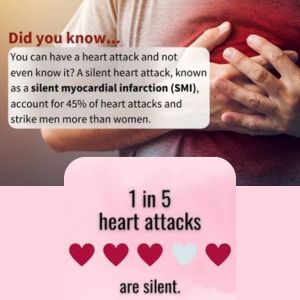
A silent heart attack, also known as a silent myocardial infarction (SMI), is a type of heart attack that occurs without the classic, dramatic symptoms—like crushing chest pain or sudden collapse—that most people associate with cardiac events. Despite its subtlety, it can cause serious damage to the heart and often goes unnoticed until much later.


🫀 What Is a Silent Heart Attack?

  • It’s a heart attack that lacks obvious symptoms or presents with mild, easily misinterpreted signs.
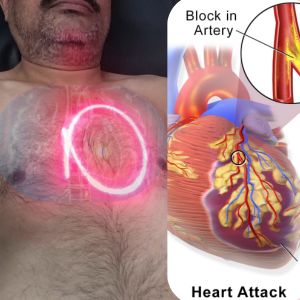
  • The heart muscle is still damaged due to blocked blood flow, but the person may not realize it happened.
  • Often discovered weeks or months later through routine tests like ECG or echocardiograms.

⚠️ Common Symptoms (Often Overlooked)

These symptoms are subtle and may be mistaken for everyday issues:

  • Mild fatigue or feeling unusually tired
  • Indigestion or heartburn-like discomfort
  • Soreness in the chest, upper back, jaw, or arms
  • Lightheadedness or dizziness
  • Shortness of breath
  • Nausea or cold sweats

People often chalk these up to stress, poor sleep, or gastric issues.


🧪 How Is It Diagnosed?

Silent heart attacks are usually found when:

  • A person undergoes routine cardiac screening
  • Tests like ECG, echocardiogram, or blood tests reveal past heart damage
  • Doctors notice signs of myocardial scarring or reduced heart function

🧬 Who’s at Risk?

Certain groups are more prone to silent heart attacks:

Risk Factor Why It Matters
Diabetes Nerve damage dulls pain perception
Older age Symptoms may be misattributed to aging
High cholesterol & BP Increases plaque buildup in arteries
Sedentary lifestyle Weakens cardiovascular health
Smoking & poor diet Accelerates artery damage
Family history Genetic predisposition to heart disease

🛡️ Prevention & What You Can Do

  • Routine check-ups: Especially if you have risk factors
  • Visit PBMT Center/Hospital: Preventive mayocardial modulation, reduce risk upto 90%
  • Heart-healthy lifestyle: Balanced diet, regular exercise, stress management
  • Know the signs: Don’t ignore unexplained fatigue or discomfort
  • Quit smoking and manage diabetes: These are major contributors


Photobiomodulation (PBM) therapy—also known as low-level light therapy (LLLT)—is emerging as a promising tool in the prevention and management of Silent Myocardial Infarction (SMI). Here’s how it plays a valuable role:


🌟 Preventive Benefits of PBM for Silent Heart Attacks

  • Boosts Cellular Energy: PBM stimulates mitochondria to produce more ATP, enhancing heart cell metabolism and resilience.
  • Improves Blood Flow: Light therapy promotes vasodilation by releasing nitric oxide, helping maintain healthy circulation and reducing ischemic risk.
  • Reduces Oxidative Stress: PBM lowers harmful reactive oxygen species, protecting heart tissues from silent damage.
  • Anti-inflammatory Action: It suppresses pro-inflammatory cytokines, which are often elevated in cardiovascular stress.
  • Supports Vascular Health: PBM helps prevent vascular decline, especially in aging populations, reducing the chance of unnoticed ischemic events.

🛠️ Therapeutic Role in Managing SMI

  • Limits Infarct Size: Studies show PBM can reduce myocardial infarction size by up to 76% in animal models.
  • Promotes Tissue Repair: Enhances regeneration of damaged heart tissue and reduces scarring post-infarction.
  • Improves Heart Function: PBM helps maintain cardiac wall thickness and contractility, which are often compromised after SMI.
  • Modulates Key Molecules: Influences transcription factors, enzymes, and antioxidants that regulate heart healing.
  • Safe Adjunct Therapy: Can be used alongside conventional treatments to support recovery and long-term heart health.


Silent heart attack

🕒 When to Visit a PBMT Center for Heart Therapy

✅ Preventive Care (Before Any Symptoms)

  • If you have risk factors like diabetes, high blood pressure, high cholesterol, or a family history of heart disease.
  • If you’re over 40 and want to enhance cardiovascular resilience and reduce inflammation.
  • If you’re an athlete or under chronic stress and want to support heart recovery and performance.

⚠️ Early Signs or Suspicion of SMI

  • If you experience unexplained fatigue, mild chest discomfort, shortness of breath, or dizziness.
  • If routine tests (ECG, echo) show minor heart damage or reduced function.
    • Reduce scarring
    • Improve cardiac output
    • Accelerate tissue repairIf you’ve had a recent cardiac event and want to support healing and reduce infarct size.

      🛡️ What Is Preventive PBMT?
      Preventive PBMT aims to enhance cardiac resilience, reduce inflammation, and improve vascular health before any symptoms of myocardial ischemia appear. This is especially relevant for individuals at high risk of silent heart attacks, such as those with diabetes, hypertension, or genetic predisposition.


📊 Hypothetical Preventive Dosimetry Protocol

Parameter Suggested Range Purpose
Wavelength 810–850 nm Deep tissue penetration to reach myocardium
Power Density 10–50 mW/cm² Low-level stimulation without thermal damage
Energy Density (Fluence) 2–6 J/cm² Optimal for preventive cellular activation
Pulse Mode Pulsed (10–100 Hz) May enhance mitochondrial response
Treatment Duration 10–15 minutes per session Targeting thoracic region
Frequency 1–2 times per week for 8–12 weeks Long-term vascular conditioning
Application Site Left anterior chest wall (over heart), or acupuncture points like PC6 (Neiguan) For systemic and localized effects

🧠 Mechanisms of Preventive Action

PBMT may help prevent silent heart attacks by:

  • Improving endothelial function and nitric oxide release
  • Reducing oxidative stress and chronic inflammation
  • Enhancing mitochondrial ATP production in cardiac cells
  • Stimulating angiogenesis and microvascular repair

⚠️ Important Considerations

  • This protocol is experimental and should be used only under clinical or research supervision.
  • PBMT is not a substitute for lifestyle changes, medication, or regular cardiac screening.
  • Individuals with pacemakers or implants should avoid direct irradiation over the device.

Leave a Comment

Your email address will not be published. Required fields are marked *

Scroll to Top