
Role of PBMT
The pre-conditioning effects of PBMT
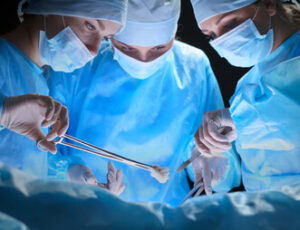
Pre-conditioning is a fascinating and rapidly emerging concept in biomedical science and regenerative medicine. It refers to the biological phenomenon wherein a mild, non-damaging stimulus is applied before a more severe stress event, rendering the tissue or cell more resistant to subsequent injury. This phenomenon has been observed in a wide array of contexts, such as in the brain, heart, liver, kidneys, muscles, and even the immune system. The primary goal of pre-conditioning is to “train” or “prime” the biological system to activate its internal defence mechanisms, enhancing resilience and promoting recovery.
In the context of Photobiomodulation Therapy (PBMT), pre-conditioning represents one of its most promising and underappreciated uses. PBMT can be used as a pre-emptive, non-invasive stimulus to condition tissues, increasing their resistance to forthcoming ischemic, inflammatory, or traumatic insults. Unlike conventional medical interventions that are applied reactively—after damage has occurred—PBMT pre-conditioning is proactive, aiming to reduce the severity of cellular damage before it even happens. This paradigm shift is especially critical in surgical settings, athletic performance, organ transplants, and neurological injuries.
The pre-conditioning effects of PBMT are believed to be mediated through several key cellular mechanisms. These include mild mitochondrial stress, activation of antioxidant pathways, modulation of transcription factors such as Nrf2 and NF-κB, stimulation of cytoprotective proteins, and regulation of intracellular calcium homeostasis. Additionally, PBMT-induced pre-conditioning enhances ATP production, improves cellular redox balance, and promotes heat shock protein (HSP) expression. These cumulative effects increase cellular tolerance and optimize survival pathways when exposed to later stress.
Furthermore, PBMT pre-conditioning holds immense translational value. For instance, applying PBMT before a surgical procedure can significantly minimize post-operative inflammation and tissue necrosis. In cardiology, it may be used to reduce infarct size following myocardial ischemia. In neurology, pre-conditioning with PBMT has shown promise in reducing neuronal death following strokes or traumatic brain injuries. Even in the sports and rehabilitation industries, pre-conditioning muscles with PBMT before intense workouts or competitions may prevent strain, fatigue, and microtrauma.
Role of PBMT as a Pre-Conditioning tool:
The Effectiveness of PBMT pre-conditioning in various domains:
- Improving muscle performance and reducing post-exercise damage.
- Enhancing anti-inflammatory responses and pain control.
- Minimizing myocardial injury in heart attack models.
- Protecting cells from oxidative toxins and chemotherapy-induced damage.
- Accelerating wound repair through enhanced stem cell activation and tissue remodeling.
- Preserving neurological function, especially in preclinical CNS injury models.
- Reducing UV-induced skin damage, helping prevent photoaging and carcinogenesis.
The versatility of PBMT pre-conditioning stems from its ability to harness the body’s own adaptive responses, promoting healing without pharmacological intervention. This makes it especially relevant in fields like sports medicine, perioperative care, neurology, dermatology, and even preventive wellness.
Reference:
https://pubmed.ncbi.nlm.nih.gov/17681609/
https://pubmed.ncbi.nlm.nih.gov/3769170/
https://pmc.ncbi.nlm.nih.gov/articles/PMC4267453/